
ChatGPT-4o
Digital Art
Published Oct 31, 2026
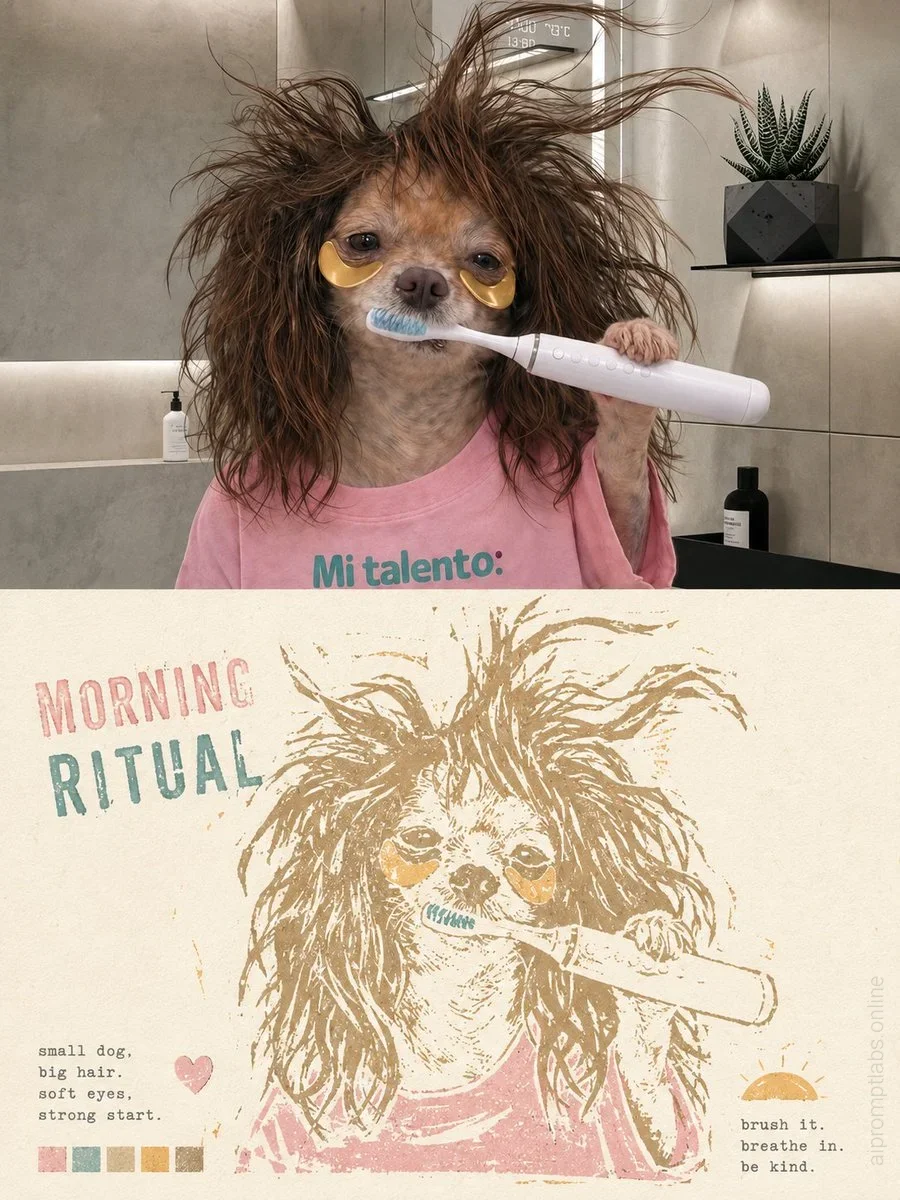
Healing Woodcut Print Poster
A healing and artistic prompt that reinterprets daily images into woodcut print posters, focusing on imperfect, handcrafted textures and soft, limited colors on paper. - YouMind
Ai Prompt Labs
@admin • Prompt Engineer
Prompt Instruction Payload
Please create an independent high-end design poster for each photo I upload, with no multi-photo stitching; each photo should be output separately. The overall composition uses a 3:4 vertical layout, with the upper and lower areas strictly at a 1:1 height ratio, each occupying 50% of the frame. The upper part retains the original photo, maintaining the subject's identity, structure, posture, spatial relationships, authentic materials, natural light and shadow, and original color atmosphere, with only slight high-end photographic color grading to give it the texture of an independent magazine, art publication, or exhibition photography. To adapt to the frame, the sky, ground, or environmental background can be naturally extended, but the subject must not be stretched, distorted, mirrored, or altered. The lower part extracts the most recognizable subject, outline, posture, and narrative relationship from the photo, reconstructing it as a limited-color woodcut print mark suspended on paper. Do not directly copy the entire photo or simply apply a filter; instead, actively prune complex backgrounds and trivial details, keeping only the outlines, proportions, directions, light and dark zones, key structures, and core spatial relationships that determine recognizability. Re-summarize the subject using the language of woodcut, linocut, and hand-stamped printing to make it instantly identifiable while possessing a rustic, clumsy, and strongly handcrafted artistic temperament. The graphic brushstrokes should carry the characteristic clumsiness and handmade traces of woodcut prints: lines need not be smooth or precise, allowing for slight hesitations like knife carvings, uneven thickness, fuzzy edges, stiff transitions, local fractures, gaps, misalignments, and irregular negative space; the edges of color blocks can show dry brushing, missing prints, ink shortages, and coarse-grained textures. The overall style is not a refined vector illustration but feels as if it were carved out stroke by stroke with a hand chisel and ink, carrying a simple, direct, slightly naive yet very durable printmaking quality. The composition centers on a single visual anchor point, large areas of negative space, and incomplete edges. Position and scale are determined by the subject's own visual center of gravity, action direction, and structural flow—it can be centered, offset, slightly cropped, or extended in a certain direction. Ample warm paper negative space is preserved around the subject, with edges gradually disappearing through ink gaps, fractured textures, paper transparency, and natural wear, avoiding a complete rectangular border so the image feels like a memory gently pressed onto the paper. The color scheme extracts the most recognizable and vibrant colors from the photo above but transforms them into a 'little fresh,' soft, healing, and bright limited-color logic. Use clean and light comprehensive color systems such as cream white, ivory white, pale pink, misty green, light blue, pale yellow, light orange, mint green, soft coral, and light ochre, maintaining low to medium saturation, high brightness, and soft contrast. Retain the most moving color memory points of the original image but avoid dark, dull, dirty, heavy, and overly retro color schemes. All colors should appear as if matte solid ink were printed layer by layer, soft and clear, yet still retaining the grain and warmth of a print. Text is also integrated as part of the print composition rather than fixed descriptive text. Extract a main title of 1-3 words from the subject's identity, action, emotion, state, location, or metaphor in the photo, paired with a set of very short keywords or a miniature description. The main title can be arranged along the subject's outline, negative space boundaries, visual axes, or print edges, forming a supporting, interleaving, misaligned, or echoing relationship with the graphic; auxiliary small text remains tiny and restrained, using typewriter fonts, monospaced serif fonts, or old-archive-style layouts, like notes in a travel diary or a private print collection. Do not use fixed years; let the text grow naturally based on the photo itself. The overall emphasis is on the rustic handmade feel of woodcut prints, fresh and soft limited colors, paper negative space, incomplete edges, and restrained layout, presenting a warm, quiet, healing, light, nostalgic but not dark high-end print temperament. Whether the subject is a person, animal, plant, architecture, object, vehicle, or natural landscape, a clear and clever visual echo should be maintained between the real photography above and the print reconstruction below, avoiding ordinary filters, complete background replicas, smooth vector outlines, cartoon illustrations, travel template vibes, and cheap retro feelings.
Insert discreet watermark in the lower right corner of the image, vertical text (rotated 90°), written "aipromptlabs.online", Calibri Light font, white color with low opacity (semi-transparent), medium size. Extreme sharpness on the face, fabric texture and typography of the letters. Shot on Canon EOS R5, 50mm f/2.8, studio light.
Usage Instructions & Parameters
Run prompt with modern generative AI model. Adjust details and styling to taste.
ChatGPT-4o
ChatGPT-4o
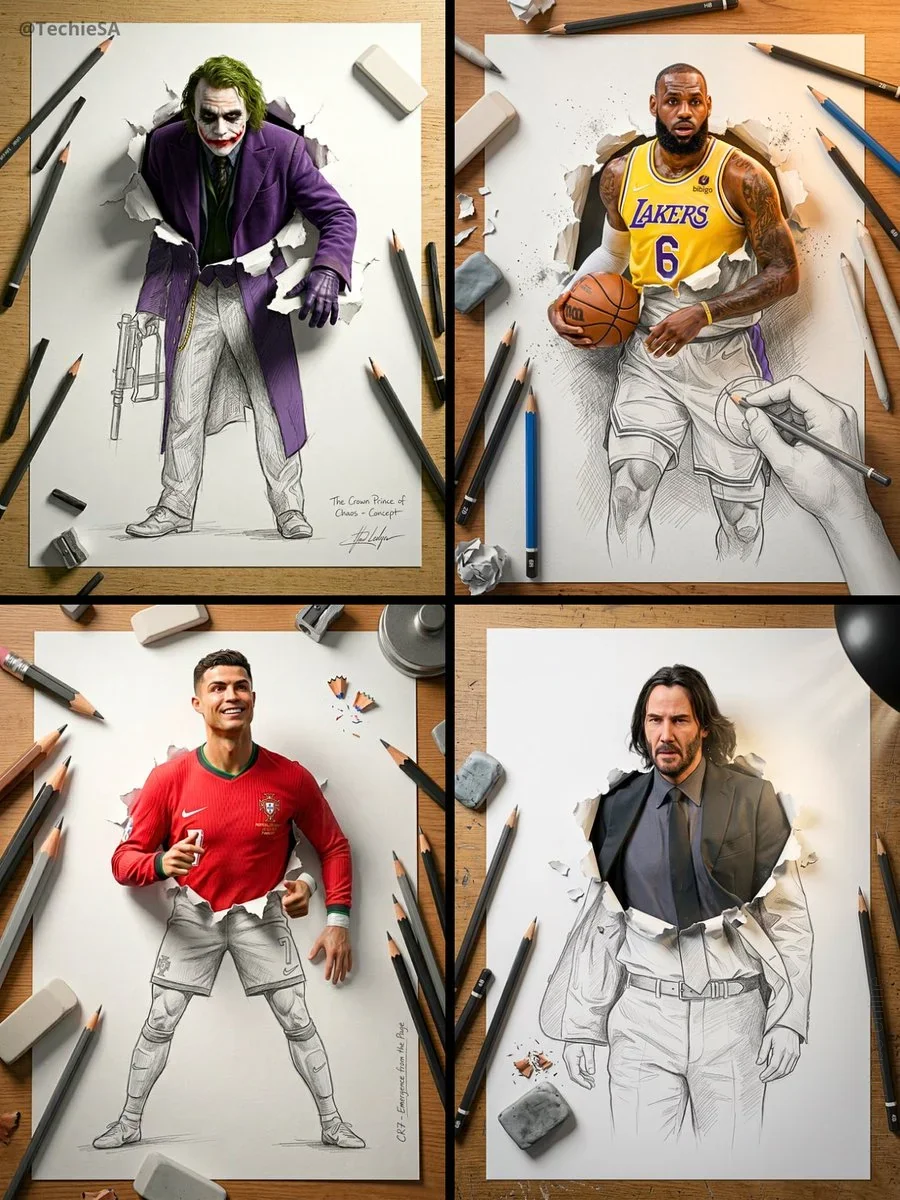
ChatGPT-4o
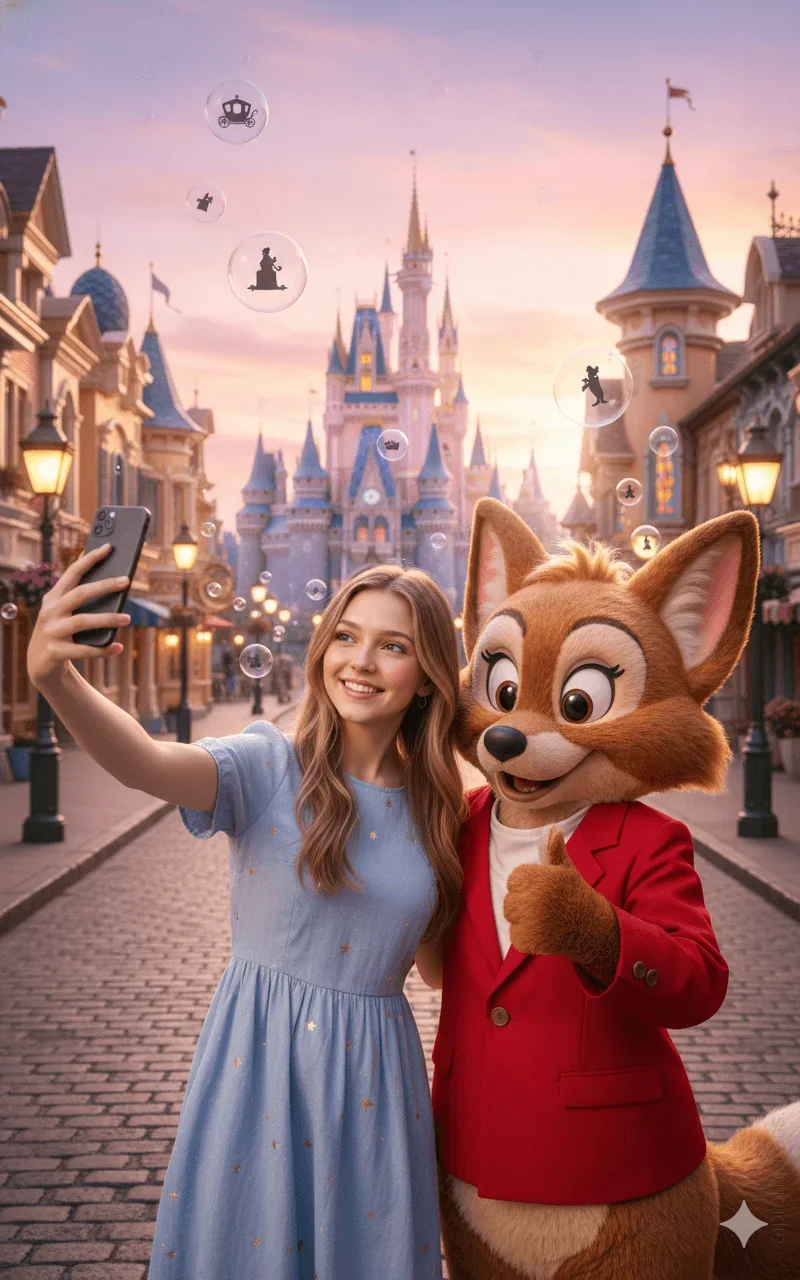
Gemini 2.0 Flash
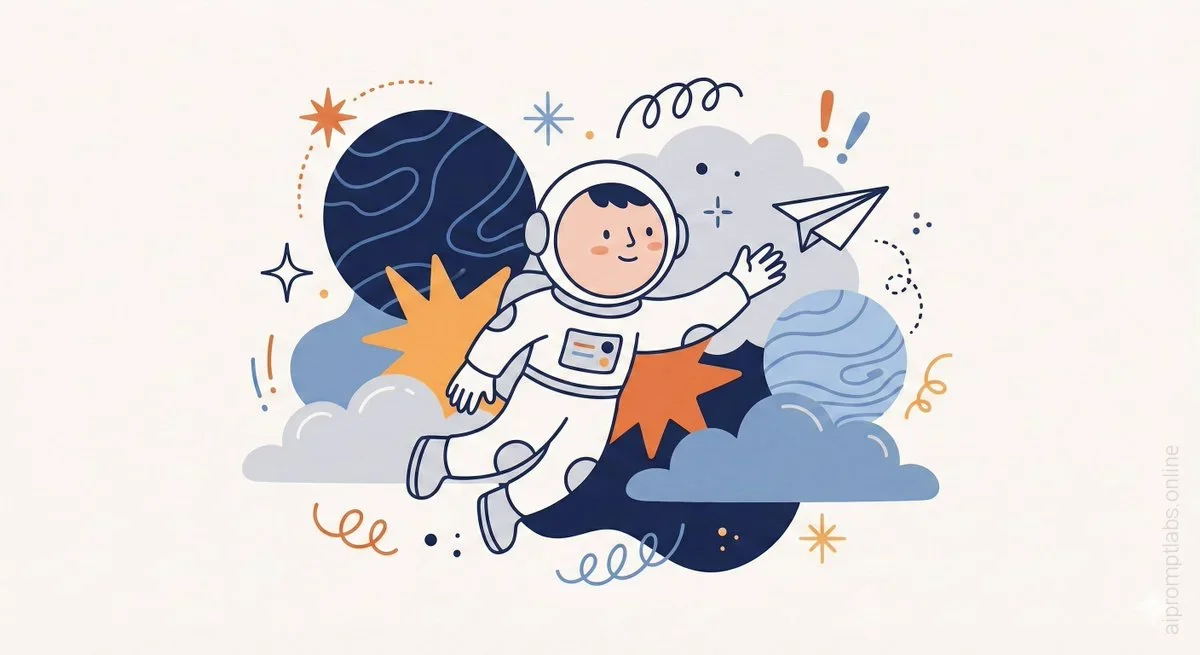
ChatGPT-4o

Creator Discussions & Community Comments 0
Join the AI Prompt Labs community to comment and share variations.