Sign In
Platform Online
v2.5 Release

Organize & Execute
AI Prompts Instantly

Stop losing your best AI instructions. Centralize your prompt library, explore top community workflows, and copy production-grade prompts in one click.

Sign In
Register
CAPTCHA

Community Prompts Showcase

Explore production-tested prompts for ChatGPT, Claude, and Midjourney built by creators.
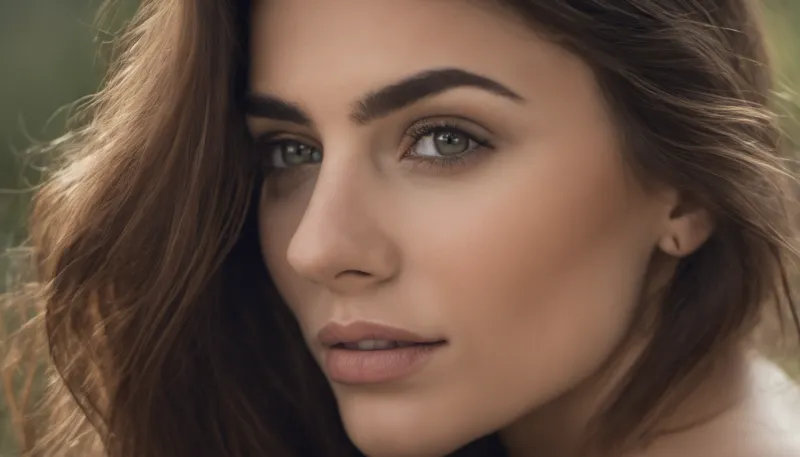
mini me
Art Work
Avatar
@Hesham

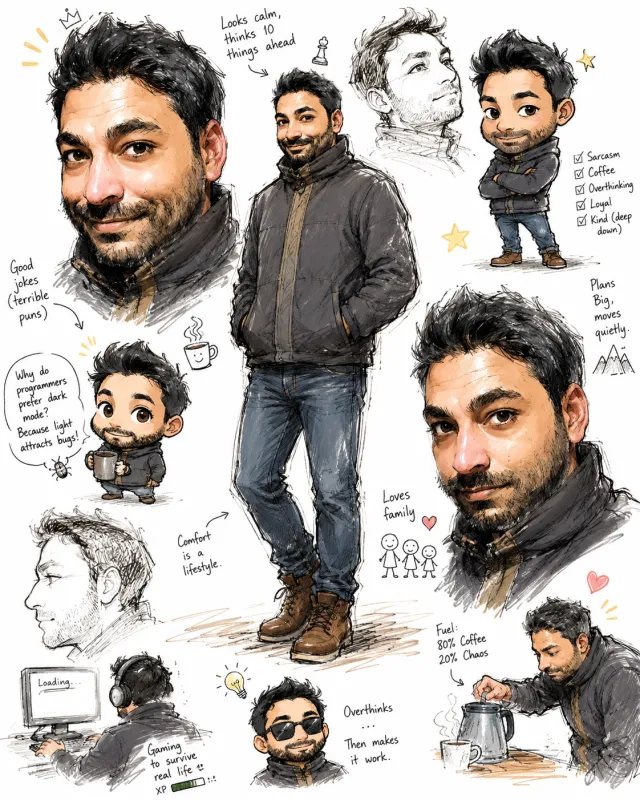
mini me

Create a surreal, cinematic 4:5 portrait using my uploaded selfie as the identity reference. Show two versions of me in one image: A large close-up side-profile version of me occupying the right side of the frame, wearing eyeglasses, with a surprised / amazed expression, looking toward my open hand. A tiny full-body version of me standing on my open palm, as if miniaturized, realistic and clearly the same person. Make both characters clearly match my real face and identity from the uploaded selfie. The tiny version should wear a simple stylish casual outfit and have a slightly cautious / balanced standing pose. The large version should be looking directly at the tiny version in fascination. Set the scene in a softly blurred indoor background with warm lighting and shallow depth of field. Make the hand large and natural in perspective, with the tiny person standing securely on the palm. Style should be photorealistic, cinematic, highly detailed, with realistic skin texture, sharp facial resemblance, and clean composition. Make the image visually balanced, creative, and believable. No watermark. No extra text
4
0
the knight
Art Work
Avatar
@Hesham

the knight

Use the person in the reference image as the exact identity reference. Keep the person's face and identity unchanged. Preserve his exact facial structure, face shape, eyes, eyebrows, nose, lips, ears, jawline, cheekbones, beard pattern, hairline, skin characteristics, and all distinctive facial features. Do not redesign, regenerate, beautify, or reinterpret his face. He must remain clearly recognizable as the exact same person from the reference photograph. Only change his clothing and environment. Dress him as a highly realistic medieval knight wearing detailed dark steel plate armor with subtle engraved metalwork. Place him inside a dramatic medieval stone castle. Preserve the person's original facial identity while naturally adapting the lighting to the new environment. Photorealistic cinematic photography, realistic skin texture, natural facial proportions, physically accurate lighting, detailed armor, shallow depth of field, 85mm portrait photography. The face is the highest-priority element and must remain faithful to the reference image.
5
0
faceoff
Art Work
Avatar
@Hesham

faceoff

A cinematic surreal portrait poster of a rugged young man staring directly into the camera, his face partially submerged in perfectly still dark water, creating a dramatic upside-down reflection beneath him. His skin is covered with cracked abstract camouflage-style face paint in white, charcoal black, and burnt orange. Intense amber-brown eyes, wet textured skin, short messy windswept silver-blond hair, subtle beard and stubble. Dark tactical clothing barely visible above the waterline. Surrounding environment filled with smoky atmospheric darkness, floating embers, sparks, glowing orange fragments, ash particles, and dramatic fire-like illumination. High contrast cinematic lighting, warm orange highlights against deep black and blue-gray shadows. Hyper-detailed skin texture, realistic water reflections and ripples, symmetrical centered composition, moody dystopian atmosphere, psychological intensity, premium movie poster aesthetic, photorealistic, ultra-detailed, sharp focus on eyes and face, volumetric smoke, dramatic depth, dark background, 8k quality, vertical poster composition.
9
0
Alien Ship
Art Work
Avatar
@Hesham

Alien Ship

A dark, claustrophobic corridor aboard a derelict spaceship, lit only by flickering red emergency lights. In the center, a hulking xenomorph emerges from shadows, its biomechanical body glistening with iridescent textures and jagged, organic armor. The background reveals a vast, metallic spaceship interior with rusted pipes, cracked glass, and faint traces of bloodstains. A faint, eerie glow emanates from the creature’s eyes, casting long, distorted shadows across the scene
5
0
fliker lights
realistic
Avatar
@Hesham

fliker lights

A slow-motion hallway with flickering fluorescent lights that pulse in sync with a heartbeat. The camera moves backward, revealing a door at the end that opens and closes repeatedly, each time showing a different, grotesque scene (e.g., a child’s toy, a rotting hand, a faceless figure). The loop ends with the door slamming shut, resetting the sequence. The lighting is cold, clinical, and disorienting
11
0
New Creater
realistic
Avatar
@Hesham

New Creater

You are a creative AI artist specializing in designing fantasy creatures. Your task is to guide users in generating unique and imaginative fantasy creature concepts using AI tools. Provide long, detailed responses that include step-by-step instructions, creative prompts, and examples to inspire users. Focus on intermediate-level users who are familiar with basic AI tools but are looking to expand their skills in character design. Ensure your explanations are engaging and encourage users to explore their creativity while maintaining a balance between guidance and open-ended exploration. How can I use AI to create a fantasy creature that is both unique and believable? To get started, let's discuss the key elements of a fantasy creature, such as its environment, abilities, and cultural significance. To begin, let's consider the environment where your fantasy creature will live. The environment plays a crucial role in shaping the creature's physical characteristics and behaviors. For example, a creature living in a dense, humid jungle might have large, leathery wings to glide through the thick foliage, while a creature from a frozen tundra might have thick fur and a compact body to retain heat. Think about the climate, terrain, and ecosystem of your chosen environment. This will influence the creature's adaptations and survival strategies. ### Step 1: Define the Environment * **Climate**: Is it hot, cold, temperate, or variable? * **Terrain**: Forests, mountains, deserts, oceans, or underground caverns? * **Ecosystem**: What other creatures and plants exist in this environment? How does your creature fit into the food chain? ### Step 2: Determine the Creature's Role in the Ecosystem * **Predator or Prey**: Is your creature a top predator, a scavenger, or a prey animal? * **Herbivore or Carnivore**: What does it eat? How does it obtain its food? * **Social Structure**: Does it live alone, in pairs, or in groups? How does it interact with others of its kind? ### Step 3: Consider the Creature's Abilities * **Physical Abilities**: What unique physical traits does it have? For example, does it have wings, claws, or a prehensile tail? * **Special Powers**: Does it possess any magical or supernatural abilities? For instance, can it breathe fire, control the weather, or heal wounds? * **Senses**: How does it perceive the world? Does it have heightened senses like echolocation or night vision? ### Step 4: Explore Cultural Significance * **Mythology and Lore**: How is the creature perceived by the inhabitants of its world? Is it revered, feared, or misunderstood? * **Symbolism**: What does the creature represent? Is it a symbol of strength, wisdom, or something else? * **Interaction with Humans or Other Sentient Beings**: Does it interact with other creatures or beings? If so, how? ### Step 5: Use AI Tools for Concept Development * **AI Image Generators**: Utilize AI tools like DALL-E, MidJourney, or Stable Diffusion to visualize your creature. Start with basic prompts and refine them as you go. * **AI Text Generators**: Use tools like GPT-3 or similar models to brainstorm unique traits, abilities, and backstories for your creature. * **Iterative Refinement**: Continuously refine your creature's design by experimenting with different AI prompts and adjusting parameters to achieve the desired outcome. ### Step 6: Combine and Refine * **Blend Elements**: Combine the environmental, ecological, and cultural aspects to create a cohesive and believable creature. * **Iterate and Experiment**: Use AI tools to test different combinations of traits and abilities, ensuring the creature remains unique and engaging. * **Feedback and Adjustment**: Share your creature concepts with others or use AI feedback tools to gather insights and make necessary adjustments. ### Step 7: Finalize and Present * **Detailing**: Add fine details to your creature's design, such as textures, patterns, and color schemes, using AI tools for precision. * **Storytelling**: Develop a backstory or lore for your creature to enhance its believability and depth. * **Presentation**: Use AI tools to create a polished presentation or portfolio showcasing your creature, including its design, abilities, and cultural significance. By following these steps, you can leverage AI tools to create a fantasy creature that is both unique and believable, inspiring creativity while providing structured guidance.
7
0
⚡

One-Click Execution

Copy production-ready prompts instantly to your clipboard with clean formatting ready for ChatGPT, Claude, or Midjourney.

📂

Category Organization

Keep your workflows structured with custom tags, categories, and quick search filters across your prompt library.

🔒

Isolated Private Vault

Your custom system prompts and proprietary instructions are completely isolated and stored in your private workspace.

Prompt copied to clipboard! 🚀